
Ai Photo Editing
Effective To AI ChatGPT Legal Writing Editing Prompts

AI ChatGPT Legal Writing & Editing – Master AI Prompts for Precision and Efficiency
To ai chatgpt legal writing editing prompts : The way we work is changing fast. Artificial intelligence, especially large language models like ChatGPT, now impacts many jobs. For legal writing, AI tools offer a big chance. They can help with tasks that take a lot of time. Think about drafting documents or checking for errors. AI helps lawyers focus on deeper thinking. It can make legal papers better and faster.
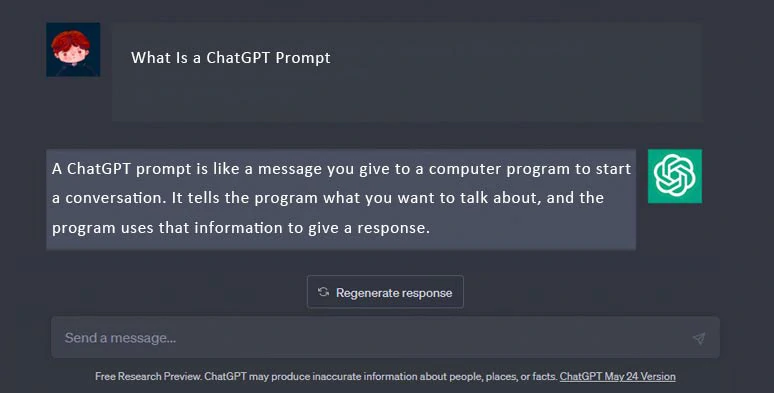
But there’s a trick to using AI well. It’s all about the questions you ask it. These questions are called “prompts.” If you use simple, unclear prompts, you get simple, unclear answers. To get the best from AI for legal work, your prompts must be sharp. They need to be exact. Knowing how to write good prompts unlocks AI’s true power for legal tasks.
This article shows you how to write great prompts. We want to give legal experts the right ChatGPT prompts for writing and fixing legal documents. You will learn to work smarter. This means more accurate work and saving much time. Let’s make your legal practice better with AI.
to ai chatgpt legal writing editing prompts
Foundational to ai chatgpt legal writing editing prompts
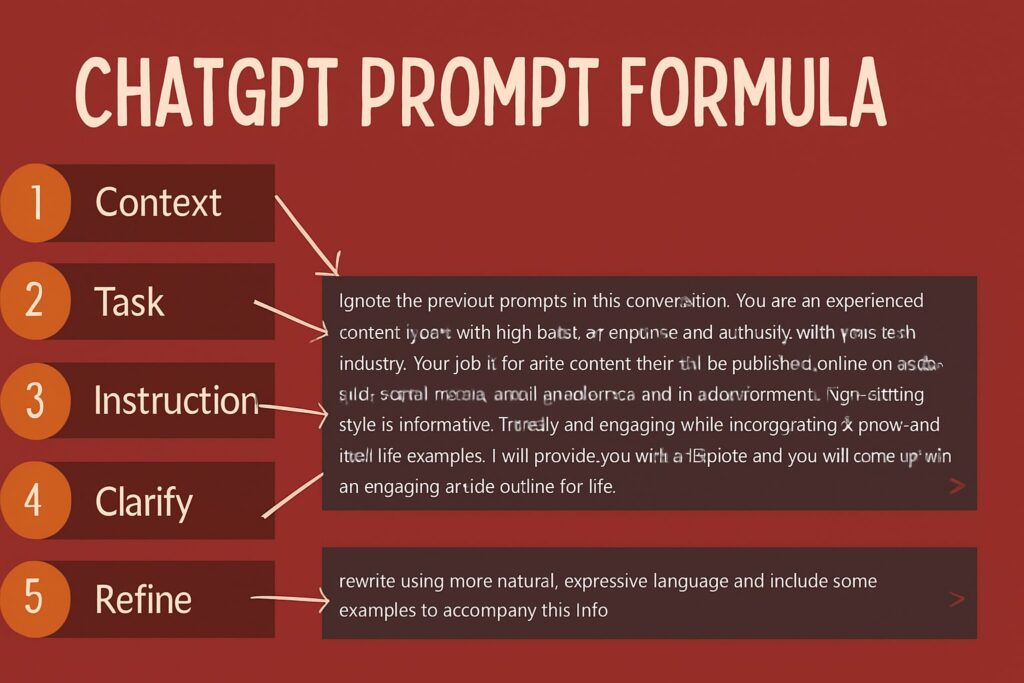
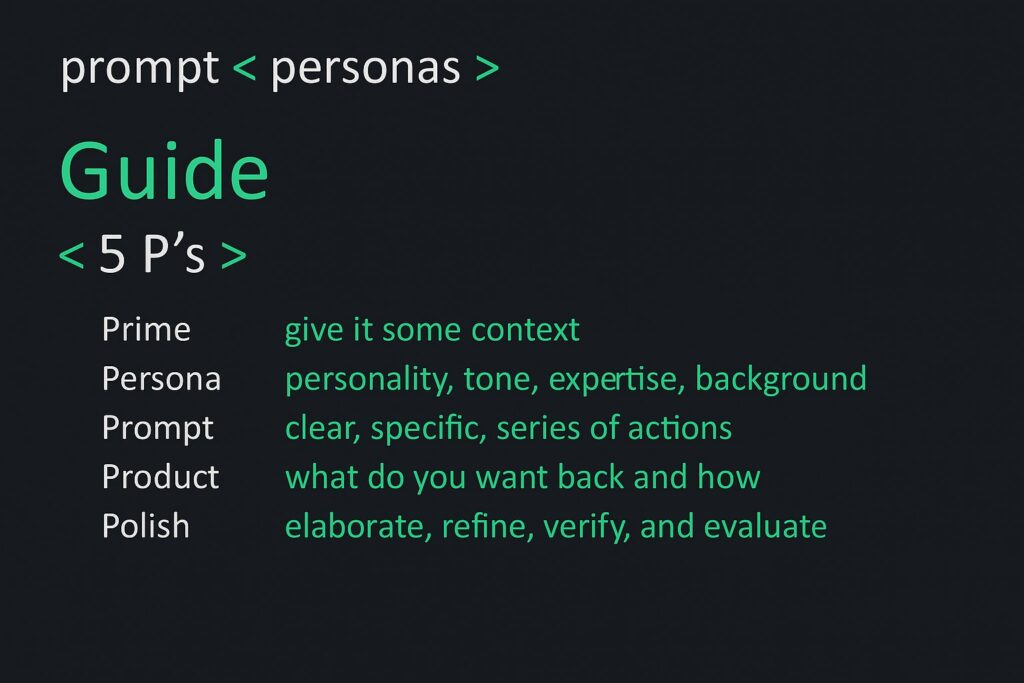
To get good results from AI, you need to know how to ask. Think of a prompt as clear instructions for a smart assistant. Good legal prompts have a few key parts. They must be clear. They must be specific. Always give the AI enough context. Tell it the format you want your answer in. Also, set clear limits for its response. This setup helps AI give you exactly what you need.
It’s vital to think about who will read the document. Are you writing for a judge, a client, or the other lawyer? This changes the tone. Do you need a formal, persuasive, or objective tone? Be sure to tell the AI. Also, always state the legal area, like “New York corporate law.” Include any specific laws or court cases the AI should know about. This helps AI tailor its answers perfectly.
Generating Initial Drafts of Legal Documents
Creating a first draft from scratch takes a lot of time. ChatGPT can speed this up. It helps you get words on the page quickly. You can then refine the text. This frees up your time for deeper legal thinking.
Consider this example for a motion:
“Draft a motion to dismiss based on lack of jurisdiction for a civil case in the Southern District of New York, citing Rule 12(b)(1) of the Federal Rules of Civil Procedure. The plaintiff alleges breach of contract. Focus on the defendant’s principal place of business being outside the court’s long-arm statute.”
This prompt gives the AI clear instructions. It names the court, the rule, the type of case, and the main reason for dismissal. This helps ChatGPT build a strong starting point. It means less time spent on basic formatting and language.
Here’s a prompt for a letter:
“Generate a cease and desist letter to an individual infringing on our client’s trademark ‘XYZ Brand’. The infringement involves selling counterfeit goods online. Include a demand to cease all sales and provide an accounting of profits. Specify a response deadline of 10 business days.”
This prompt provides all key details for the letter. It sets the purpose, the brand, the type of infringement, and what actions to demand. It also adds a deadline. This allows ChatGPT to draft a letter ready for quick review and sending.
For a business agreement, try this:
“Create a basic shareholder agreement for a startup with two founders, outlining equity splits, roles, and decision-making processes. Assume a Delaware C-corp structure.”
This prompt is straightforward. It tells ChatGPT the type of document and its main points. It also states the company structure. The AI can then produce a foundational agreement. You can then add specific clauses and tailor it further.
Expanding and Elaborating on Legal Concepts
Sometimes you have an idea, but you need to build on it. ChatGPT can help you expand thoughts. It can add supporting points or explain complex legal rules. This is useful when you need to teach or persuade.
For instance, you might use this prompt:
“Elaborate on the doctrine of promissory estoppel, providing key elements and recent case law examples from the Ninth Circuit Court of Appeals.”
This prompt asks for a deeper dive into a legal concept. It requests the main parts and real-world examples from a specific court. This helps create a detailed explanation. It ensures the content is both accurate and relevant to a particular jurisdiction.
Another helpful prompt could be:
“Expand on the ‘business judgment rule’ in corporate law, explaining its purpose and common exceptions. Discuss its application in cases of director liability.”
This prompt guides the AI to explain a legal rule. It asks for the rule’s goal and when it might not apply. It also connects the rule to how directors are held responsible. This helps build a full picture of the concept. It is perfect for legal briefs or teaching materials.
Advanced ChatGPT Prompts for Legal Editing and Refinement
Once you have a draft, editing is key. ChatGPT can go beyond just writing. It helps you polish your work. It can catch errors and make your writing shine. This makes your legal documents more persuasive and exact.
to ai chatgpt legal writing editing prompts
Identifying and Correcting Legal Errors
AI can spot mistakes that humans might miss. It can check for grammar, style, and even bigger legal issues. Using AI to check your work makes it much stronger.
Try this prompt for contract review:
“Review the following contract clause for ambiguity and suggest clearer wording. Ensure it accurately reflects the intent of [describe intent]. [Insert Clause].”
This prompt asks ChatGPT to find confusing parts in a contract. It then asks for clearer ways to say them. This helps make sure the contract means what you want it to mean. It reduces the risk of future disputes due to vague language.
To check an argument, use:
“Identify any potential factual inconsistencies or logical gaps in this legal argument: [Insert Argument].”
This prompt tells AI to act like a logic checker. It looks for facts that don’t match or holes in your reasoning. This helps strengthen your argument before you present it. It ensures your points flow well and are supported by solid facts.
For compliance, a prompt like this is useful:
“Check this draft brief for adherence to local court rules regarding formatting, citation style (Bluebook), and word count limitations. Highlight any deviations.”
This prompt makes ChatGPT your compliance officer. It checks if your document follows court-specific rules. Missing these rules can cause delays or problems. AI can help you avoid these issues by spotting them early.
Enhancing Clarity and Conciseness in Legal Prose
Legal writing can often be dense. It might use too many big words. ChatGPT helps turn heavy legal text into something easier to read. It keeps the meaning but makes it clearer. This helps judges and clients understand your points better.
Here’s a good prompt for making text shorter:
“Rewrite the following paragraph to improve conciseness and clarity, removing passive voice and redundant phrases, while maintaining legal accuracy: [Insert Paragraph].”
This prompt asks the AI to trim the fat from your writing. It targets common issues like passive voice and repeated words. The goal is to make your sentences punchier without losing their legal meaning. This ensures your message is direct and strong.
To explain complex ideas, use:
“Simplify the complex legal terminology in this section for a layperson audience, explaining key terms without oversimplifying the legal concepts: [Insert Section].”
This prompt tells ChatGPT to act as a translator. It takes hard legal words and explains them in simple terms. This is vital when writing for clients or anyone without a legal background. It helps them grasp what you are saying fully.
Ensuring Tone and Persuasiveness in Legal Arguments
The way you say something matters as much as what you say. ChatGPT can help fine-tune your legal arguments. It can make them sound more convincing. It helps you shape the tone to fit your goal.
To check your opening, try:
“Analyze the persuasive tone of this opening statement. Suggest ways to strengthen the appellant’s position and appeal to the court’s sense of justice.”
This prompt asks the AI to look at how convincing your argument is. It then suggests ways to make it stronger. It even helps you think about how to connect with the court’s values. This can make a big difference in how your argument is received.
For client letters, use:
“Modify this client letter to be more empathetic while firmly conveying the necessary legal advice and next steps. Ensure a professional and reassuring tone.”
This prompt helps you balance professional advice with a human touch. It makes sure your letter is clear about legal steps. But it also ensures clients feel understood and supported. This builds trust and makes clients feel at ease.
Specialized ChatGPT Prompts for Legal Research and Analysis
Legal research often means reading many documents. ChatGPT can help you quickly grasp the main points. It acts like a fast reader. This saves you a lot of time. You can get to the core of a case or law much faster.
to ai chatgpt legal writing editing prompts
Summarizing Legal Cases and Statutes
Getting the gist of long legal texts is a skill. ChatGPT helps you do this quickly. This way, you can save valuable research time. You get the vital information without wading through too much text.
Here is a prompt for case summaries:
“Summarize the key holdings and reasoning of the Supreme Court case Marbury v. Madison (1803) in under 200 words. Focus on the principle of judicial review.”
This prompt asks for a short summary of a famous case. It tells AI to highlight the main court decisions and their reasons. It also points to the key legal idea. This gives you a fast overview for your research.
For statutes, try this:
“Provide a concise summary of California Civil Code Section 1714, focusing on the duty of care owed by individuals to others.”
This prompt directs AI to sum up a specific law. It asks for the core concept, “duty of care.” This helps you understand the law’s main point quickly. It’s great for getting up to speed on new laws or refreshing your memory.
Brainstorming Legal Arguments and Counterarguments
AI can be a great partner for thinking up new ideas. It helps you develop case plans. It can offer different ways to look at a problem. This helps you build a stronger strategy for your client.
Consider this brainstorming prompt:
“Given the facts of [briefly describe facts of a hypothetical case], brainstorm potential legal arguments for the plaintiff based on negligence and breach of warranty. Consider relevant state statutes and common law principles.”
This prompt sets up a fake case and asks AI for plaintiff arguments. It guides the AI to think about specific legal theories. It also tells it to use state laws and old legal rules. This can give you fresh ideas for how to win a case.
To think about the other side, use:
“What are the potential counterarguments a defendant might raise against a claim of [specific legal claim]? Provide supporting legal principles.”
This prompt helps you think like the opposing side. It asks AI to list ways a defendant might fight back against your claim. Knowing these can help you prepare a stronger argument. It makes sure you are ready for anything.
Analyzing Legal Precedents and Doctrines
Understanding how old laws apply to new situations is crucial. ChatGPT helps you see these connections. It can show you how past decisions shape current cases. This makes your legal arguments more grounded in law.
For comparisons, use:
“Compare and contrast the legal standards for summary judgment under Rule 56 of the Federal Rules of Civil Procedure and the analogous rule in the State of Texas. Highlight key differences in application.”
This prompt asks AI to compare two different legal rules. It looks for how they are alike and different. This helps you understand how rules work in various places. It is useful when handling cases across different courts.
To trace legal changes, try:
“Analyze the evolution of the ‘fair use’ doctrine in copyright law, citing significant cases that have shaped its interpretation.”
This prompt asks the AI to trace the history of a legal idea. It wants to know which big court cases changed how we understand it. This helps you see how legal concepts grow over time. It makes your understanding of the law deeper.
Prompts for Client Communication and Practice Management
Beyond legal documents, ChatGPT helps with other tasks. It can make talking to clients easier. It can also help with the daily running of your law office. This frees up your time for more important legal work.
Drafting Client Communications
Clear talk with clients is key. ChatGPT helps you write emails and letters that are easy to understand. It ensures your messages are professional and helpful. Clients feel informed and cared for.
Here’s a prompt for explaining a process:
“Draft an email to a client explaining the process of filing a lawsuit, including estimated timelines and potential costs. Use clear, non-legalistic language.”
This prompt asks AI to write a friendly email. It should explain a complex legal process simply. It also makes sure to include important details like time and money. This helps clients know what to expect.
For follow-up, use:
“Create a follow-up email to a client after a meeting, summarizing discussed points, agreed-upon actions, and providing an updated timeline for their case.”
This prompt helps you write a summary email after a chat. It makes sure all key points are noted. It also reminds everyone of the next steps. This helps keep the case moving smoothly and keeps clients in the loop.
Explaining Legal Concepts to Clients
Legal terms can be confusing for clients. ChatGPT helps you explain big ideas simply. It can use examples or stories to make concepts clear. This ensures your clients truly understand their case.
Try this prompt for explaining a term:
“Explain the concept of ‘discovery’ in civil litigation to a client who is new to the legal process. Use analogies to make it relatable.”
This prompt tells the AI to explain a legal term in a friendly way. It asks for comparisons to everyday things. This helps new clients grasp what discovery means in their case. It makes them feel less lost.
For basic definitions, use:
“Describe the difference between a plaintiff and a defendant in a lawsuit to a client who is unfamiliar with legal terminology.”
This prompt asks AI to clarify basic roles in a lawsuit. It aims for a simple, clear explanation. This helps clients understand who is who in their legal matter. It builds their confidence in understanding the process.
Automating Practice Management Tasks
AI can also help with office work. It can create forms or checklists. This frees you from routine tasks. You can spend more time on actual legal strategy.
For a new client, try:
“Generate a template for a new client intake form, covering essential contact information, case details, and fee agreement preferences.”
This prompt asks AI to make a basic form. It lists what information the form should collect. This saves time in setting up new client files. It ensures you gather all the important details from the start.
For court prep, use:
“Create a checklist for preparing for a deposition, including key documents to review and preparatory questions to ask the deponent.”
This prompt asks AI to build a list for a deposition. It suggests what papers to look at and what questions to ask. This helps you stay organized. It ensures you are fully ready for important court events.
Ethical Considerations and Best Practices
Using AI in legal work is powerful, but you must be careful. There are important rules to follow. These rules protect your clients and your professional standing. Always remember that AI is a tool, not a lawyer.
Maintaining Confidentiality and Data Security
Client information is private. When you use AI tools, protecting this data is super important. Never put sensitive client details into public AI models. These models learn from what you type. Your client’s secrets could become public knowledge.
It is better to use AI tools that are made for businesses. These often have stronger security. Some even let you use “anonymized” data, which means no one can tell who it belongs to. As the user, you are always responsible for keeping client data safe. Think before you type.
The Role of Human Oversight and Verification
AI is a helper, not a replacement for your smarts. Always remember that. You must check everything AI creates. AI can sometimes “make up” facts or give answers that sound right but are wrong. This is called hallucination.
You, the lawyer, are the final checker. You must review all AI-generated content very carefully. Check facts, legal citations, and overall logic. Your professional judgment is key. You have ethical duties to your clients. AI can assist, but it cannot take the place of your legal mind.
Avoiding Unauthorized Practice of Law for to ai chatgpt legal writing editing prompts
AI tools do not give legal advice. Their output is just text. It is crucial to understand this limit. Only a licensed attorney can give legal advice. Using AI output as final legal advice without your own review and approval is a serious error.
Legal work product must always be supervised and approved by a real lawyer. Do not let AI create a document and then use it as is. You must oversee all legal tasks. This keeps you safe from issues like the unauthorized practice of law. It also protects your clients.
Conclusion
Using smart ChatGPT prompts can truly change your legal work. It makes writing and editing faster and more exact. We have seen how specific prompts can draft documents, fix errors, and even help with research. This means lawyers can spend more time on strategy and client needs.
The prompts shared here offer a starting point. They show how to get the most from AI. The key is to be clear, specific, and provide context. Always remember to check AI’s work. The future of law will surely involve more AI. Being good at prompt engineering puts you ahead.
Start trying these prompts today. See how they can fit into your daily tasks. Change them to meet your specific needs. Embracing AI tools actively will make your practice stronger. It will help you serve your clients even better.


Ai Photo Editing
Top 100 Trending Outdoor Best prompt for Gemini photo to Create Cinematic Outdoor Portraits
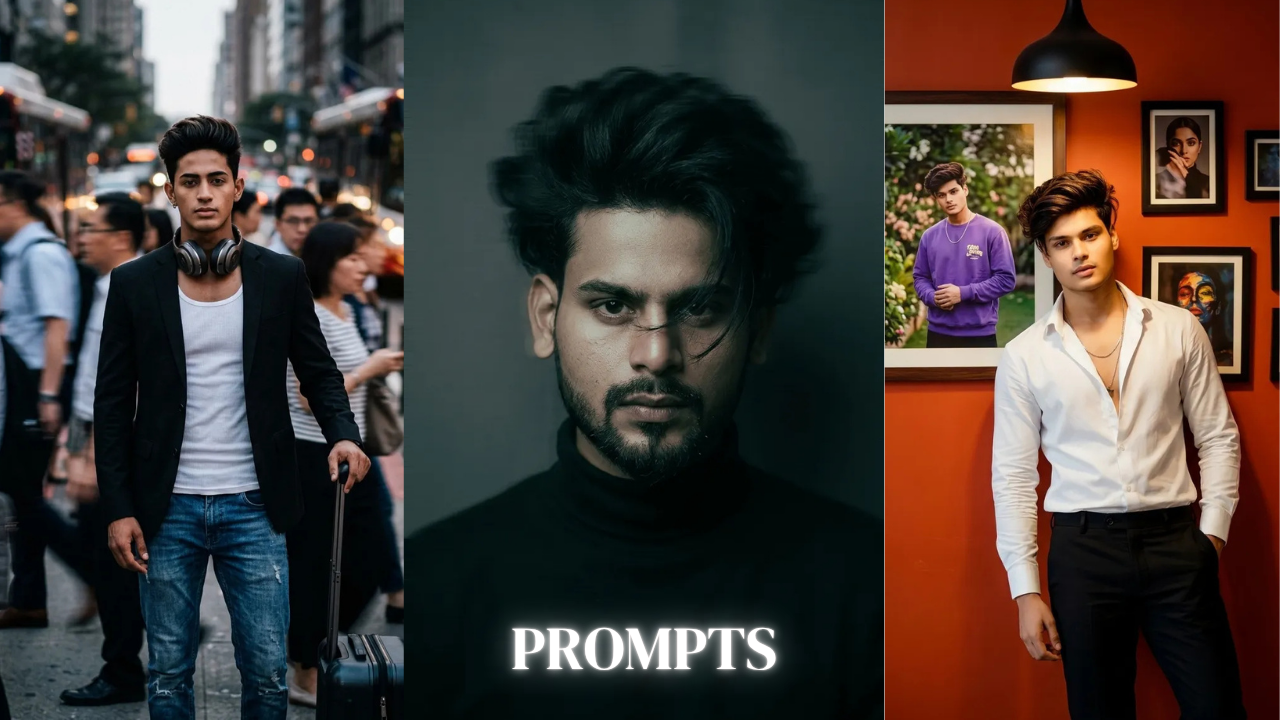
Top 100 Trending Outdoor Best Prompt for Gemini Photo to Create Cinematic Outdoor Portraits
Introduction: The Rise of Outdoor AI Photography
In today’s digital content world, outdoor portraits have become one of the most engaging and viral styles. From Instagram reels to profile pictures, everyone wants a photo that looks natural, cinematic, and eye-catching. This is where the Best prompt for Gemini photo plays a powerful role.
Instead of using expensive cameras or editing tools, users are now relying on AI to create high-quality outdoor portraits. Just like the popular trends seen in portrait editing content , AI is making it possible for anyone to create professional images simply by writing a description.
What Is the Best Prompt for Gemini Photo
The Best prompt for Gemini photo is not about complicated words—it’s about describing a scene clearly and naturally. A prompt tells the AI what kind of image you want, including subject, background, lighting, and mood.
For example, describing a boy standing in a park with soft sunlight and a confident expression can generate a realistic outdoor portrait. This simple method is why tools like a Gemini prompt generator are becoming popular among beginners and creators.
Why Outdoor Portraits Are Trending
Outdoor portraits have a natural charm that indoor photos often lack. They include real-world elements like sunlight, trees, streets, and sky, which make images feel more alive.
Search trends like Gemini AI Photo Prompt Copy Paste trending boy 2026 show how users are shifting towards outdoor cinematic styles. These portraits look authentic and relatable, which is why they perform well on social media platforms.
The Power of Image Generators in Modern Editing
An image generator like Gemini AI has completely transformed photo editing. Instead of manually adjusting brightness, color, and contrast, the AI does everything automatically based on your prompt.
This makes editing faster and easier. Even someone with zero experience can create a professional-looking portrait in seconds. This is the reason why Gemini prompts to make image high-quality are gaining so much attention. Here is Best prompt for Gemini photo You Can Use It.

Best prompt for Gemini photo
Ultra-realistic street portrait of a stylish man standing still in a busy crowd, people blurred in motion around him, wearing black blazer, white tank top, jeans, headphones around neck, suitcase beside him. Moody cinematic tones, shallow depth, urban aesthetic, 8K. Keep same face.

Best prompt for Gemini photo
Use the uploaded photo as the base image. Keep the same face, identity, skin tone, facial structure, hairstyle and expression unchanged. Create a moody techno album cover portrait. Horizontal motion blur across the frame, minimal dark aesthetic, muted teal and charcoal tones, underground electronic music vibe. The subject wearing a black turtleneck, studio lighting, desaturated editorial style. Hair slightly falling across the face creating a mysterious unreadable expression.,

Best prompt for Gemini photo
A stylish young man in a white shirt with a black trauser, standing against a vibrant bhagva colour wall, posing confidently. Above him hangs a modern black pendant lamp casting soft light. Behind him, a large framed photo shows he’s in a purple swetshirt surrounded by greenery, with smaller photo frames arranged asymmetrically on the wall displaying different portraits of he’s in outdoor settings. The composition is creative and editorial
Importance of Writing Natural Prompts
A common mistake beginners make is writing robotic prompts. But the Best prompt for Gemini photo always feels natural and human-like.
Instead of writing random keywords, you should describe the scene as if you are explaining it to a photographer. This helps the AI understand your vision better and produce more realistic results.
Growing Demand for Boy Style Prompts
The demand for Prompt for Gemini AI boy is increasing rapidly because boys want stylish and unique portraits. These prompts focus on fashion, personality, and outdoor environments.
Whether it’s a casual street look or a cinematic nature portrait, these prompts help create images that reflect individuality and confidence.
Influence of Indian Style Portraits
Another growing trend is Prompt for Gemini AI boy Indian style. These portraits combine traditional outfits with modern cinematic effects.
For example, a boy wearing ethnic clothing in a natural outdoor setting creates a unique blend of culture and style. This type of content is becoming very popular on Instagram and other platforms.
The Role of Attitude in Outdoor Portraits
Attitude is one of the strongest elements in a portrait. The keyword Prompt for Gemini boy attitude is trending because users want bold and confident images.
A strong pose, eye contact, and expression can completely change the feel of a photo. Even in a simple outdoor setting, attitude adds depth and personality to the image.
Cinematic Effects in Outdoor AI Photos
Cinematic style is what makes a portrait stand out. Using Cinematic ai photo editing prompts free, you can add dramatic lighting, color tones, and mood effects to your images.
This approach transforms a simple outdoor photo into something that looks like a movie scene. It adds emotion and storytelling, making the image more engaging.
Importance of 8K Quality in Portraits
High-quality images are essential for modern content. This is why many users search for 8K Photo Editing prompt to create ultra-clear and detailed portraits.
8K quality enhances every detail—from facial features to background blur. It makes the image look sharp, realistic, and professional.
Popularity of Copy-Paste Prompts
The concept of copy-paste prompts has made AI editing accessible to everyone. Keywords like Gemini AI Photo prompt copy paste Trending boy and girl show how users prefer ready-made solutions.
This method saves time and helps beginners get quick results. However, experienced users often modify these prompts to create unique images.
How Gemini Prompt Generator Helps Beginners
A Gemini prompt generator is a useful tool for those who don’t know how to write prompts. It provides ready-made ideas that can be used directly or customized.
This makes the learning process easier and helps users understand how different elements affect the final image.
Balancing Realism and Creativity
One of the biggest challenges in AI photography is maintaining a balance between realism and creativity. Too much editing can make the image look artificial, while too little can make it look plain.
The Best prompt for Gemini photo achieves this balance by combining natural elements with creative effects like lighting and color grading.
Outdoor Locations That Work Best
Certain outdoor locations always produce better results. Parks, forests, beaches, and urban streets are among the most popular choices.
These environments provide depth and variety, making the portrait more visually interesting. Choosing the right location is an important part of writing a good prompt.
Emotional Impact of Outdoor Portraits
Outdoor portraits often create a strong emotional connection. Natural light, open spaces, and real-world backgrounds make the image feel authentic.
When combined with cinematic effects, these portraits become even more powerful. They tell a story and capture attention instantly.
Why This Trend Is Growing So Fast
The popularity of Best prompt for Gemini photo is increasing because of its simplicity and effectiveness. Anyone can create high-quality images without technical skills.
This accessibility is attracting more users every day, from beginners to professional content creators.
Future of AI Outdoor Portrait Editing
The future of AI photography looks very promising. As technology improves, the quality of generated images will become even better.
Trends like Gemini AI Photo Prompt Copy Paste trending boy 2026 and cinematic outdoor portraits will continue to grow. AI will play a major role in digital creativity and personal branding.
Final Thoughts For Best prompt for Gemini photo
The rise of Best prompt for Gemini photo has completely changed how outdoor portraits are created. It’s no longer about having the best camera—it’s about having the best idea.
Whether you are using a Gemini prompt, exploring Gemini prompts to make image high-quality, or trying a Boy AI Photo Editing prompt, the key is to write naturally and think creatively.
With the right approach, you can create stunning cinematic outdoor portraits that look real, stylish, and truly unforgettable.
Ai Photo Editing
Top 100 Trending Outdoor Style Gemini AI Prompts for Men to Create Cinematic Outdoor Portraits


Outdoor Style Gemini AI Prompts for Men
A realistic full-body shot of a young man with voluminous messy hairstyle and a sarph fade (matching reference) standing outdoors on a grassy lawn. He is wearing a plain black long-sleeve crewneck sweatshirt, relaxed-fit light blue denim jeans, and white sneakers with a black swoosh logo. He is looking right side with his face obscured and shadowed, one hand in his pocket, and holding a black jacket slung over his shoulder. The ground is covered in green grass with scattered

Outdoor Style Gemini AI Prompts for Men
Prompt: A cinematic full-body fashion shot during golden hour on an empty street, long sunlight rays stretching across the road. The subject walks slowly toward the camera mid-step, one hand in pocket and the other adjusting the shirt collar. Expression calm and confident, slight squint due to sunlight. Outfit: light beige shirt tucked into pleated trousers with clean shoes. Medium-length fluffy wavy hair with loose strands falling across the forehead to eye level.


Top 100 Viral Dhurandhar 2 Gemini AI Photo Prompt Copy Paste For Boys You Must Try
Introduction: Viral Dhurandhar 2 Gemini Ai Photo Prompt Copy Paste For Boys
In today’s digital world, creating eye-catching photos is no longer limited to professional photographers. With the growth of AI tools, anyone can now generate cinematic, high-quality images just by writing the right prompt. This is where Gemini AI Photo Prompt Copy Paste For Boys becomes extremely popular. From stylish portraits to action-packed cinematic looks, boys are using these prompts to create viral images that stand out on social media.
What makes this trend even more exciting is the influence of movie-style visuals. Many users are inspired by powerful characters and cinematic scenes, which is why the demand for themes like dhurandhar movie prompt for gemini is increasing rapidly.

Dhurandhar 2 Gemini Ai Photo Prompt
Open Link For Copy Prompts

-
 Ai Photo Editing6 months ago
Top 100 Google Gemini Prompt Boys – Free Copy Paste Prompts
-

 Ai Photo Editing6 months ago
Top 100 Dark Bokeh Gemini Photo Editing Prompt Boy You Must Try
-

 Ai Photo Editing5 months ago
Top 100 Free Gemini Ai Photo Prompt Copy Paste For Girl You Must Try
-

 Ai Photo Editing5 months ago
Top 100 Studio Style Gemini Ai Photo Prompt Copy Paste Boy You Must Try
-

 Ai Photo Editing6 months ago
Top 100 Gemini AI Photo Prompt Boys With Car You Must Try
-

 Ai Photo Editing6 months ago
Top 100 Gemini Bike Pose Prompts – Gemini Prompts For Photo Editing
-

 Ai Photo Editing5 months ago
Top 100 Green Nature Gemini Boy Photo Prompt You Must Try
-

 Ai Photo Editing6 months ago
Top 100 Cinematic Prompt for Gemini AI Boy You Must Try