
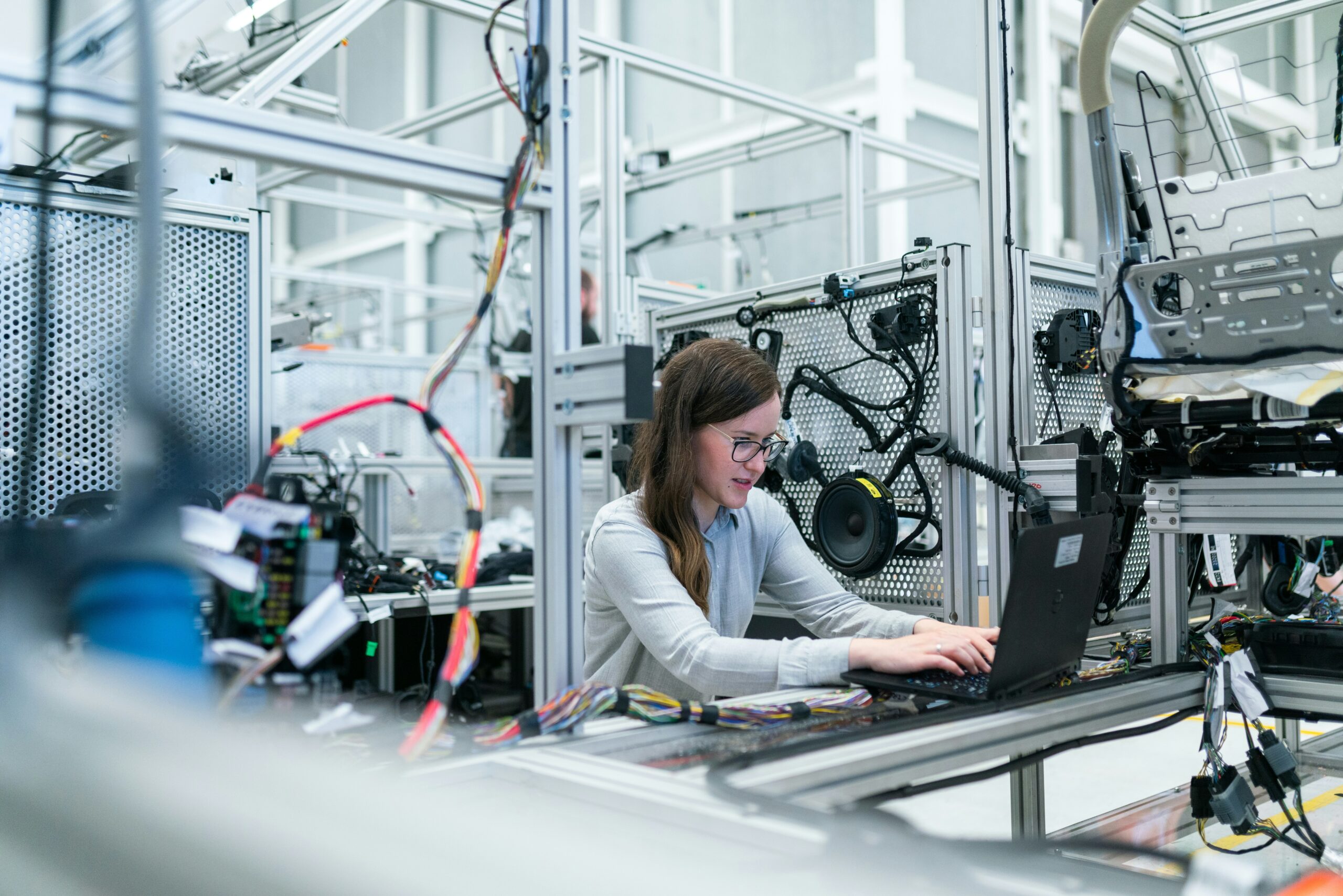
Technology is transforming the way we live, and smart devices are at the forefront of this change. From controlling lights and appliances with a smartphone to optimizing energy use automatically, smart homes make daily life more convenient, efficient, and secure.
This article explores how smart devices are shaping the future of living and what that means for homeowners and renters alike.
What Makes a Home “Smart”?
A smart home uses connected devices that can communicate with each other and with the homeowner, often via the internet. These devices can be controlled remotely, automated, or programmed to respond to specific conditions.
Examples of smart home devices include:
- Smart thermostats
- Voice-controlled assistants
- Security cameras and smart locks
- Connected lighting and appliances
Convenience and Automation
Control at Your Fingertips
Smart devices allow homeowners to control home functions from anywhere using a smartphone or tablet. You can adjust the thermostat on your way home, turn on lights before entering, or start appliances remotely.
Automated Routines
Automation lets your home adapt to your lifestyle. For example, lights can turn on when you enter a room, or coffee machines can start brewing at a set time each morning. These routines save time and reduce the effort of daily chores.
Energy Efficiency and Cost Savings
Smarter Energy Use
Smart thermostats, lighting, and appliances can optimize energy consumption based on usage patterns. This reduces waste and lowers utility bills.
Monitoring and Insights
Many smart devices provide reports on energy usage, helping homeowners make informed decisions about when and how to save energy. Over time, small adjustments can lead to significant cost reductions.
Enhanced Security and Safety
Real-Time Monitoring
Smart cameras, doorbells, and sensors allow homeowners to monitor their property in real time, even when away. Alerts notify you of unusual activity, helping prevent theft or accidents.
Safety Features
Smoke detectors, water leak sensors, and smart locks enhance home safety. Some systems can automatically contact authorities or send emergency alerts, providing peace of mind.
Health and Comfort Improvements
Personalized Environments
Smart homes can adjust lighting, temperature, and even sound based on personal preferences, improving comfort and well-being.
Air Quality and Health Monitoring
Devices that track air quality, humidity, or allergens help create healthier living spaces. This is especially useful for households with children, elderly members, or those with health sensitivities.
Challenges of Smart Homes
Privacy and Security Concerns
Connected devices can be vulnerable to hacking if not properly secured. Strong passwords, software updates, and secure networks are essential to protect personal data.
Compatibility and Complexity
Not all devices work seamlessly together, and managing multiple systems can become confusing. Choosing compatible devices and using centralized platforms can simplify control.
Cost Considerations
Smart devices often have higher upfront costs compared to traditional alternatives. However, long-term savings on energy and increased convenience can offset these expenses over time.
The Future of Smart Living
Integration with AI
As artificial intelligence improves, smart homes will become even more intuitive. AI can learn habits, anticipate needs, and make real-time decisions to improve comfort, efficiency, and security.
Widespread Adoption
Smart homes are likely to become standard rather than luxury. With more affordable devices and simpler installation, connected living will be accessible to a wider audience.
Sustainability Focus
Future smart homes will likely focus on reducing environmental impact through efficient energy use, smart waste management, and eco-friendly automation.
Final Thoughts
Smart devices are reshaping how we interact with our homes, making them more convenient, secure, and efficient. While challenges exist, the benefits of automation, energy savings, and enhanced comfort are undeniable.
As technology continues to advance, homes will become increasingly responsive to our needs, creating a living environment that is not just connected—but smarter.

