
The rise of remote work has transformed how people live and where they choose to call home. Once tied closely to office locations, housing decisions are now influenced by flexibility, lifestyle preferences, and technology access. Understanding these changes helps buyers, sellers, and investors navigate the evolving real estate market.
This article explores how remote work is reshaping housing demand and what it means for today’s market.
Remote Work: Changing the Rules of Location
Traditionally, proximity to work was one of the most important factors in choosing a home. Commuting time, access to public transit, and nearby business districts heavily influenced property prices.
Remote work changes that dynamic by allowing employees to work from anywhere. People are no longer bound to living near city centers or office hubs, leading to shifts in housing demand.
Migration to Suburbs and Smaller Cities
Suburban Appeal
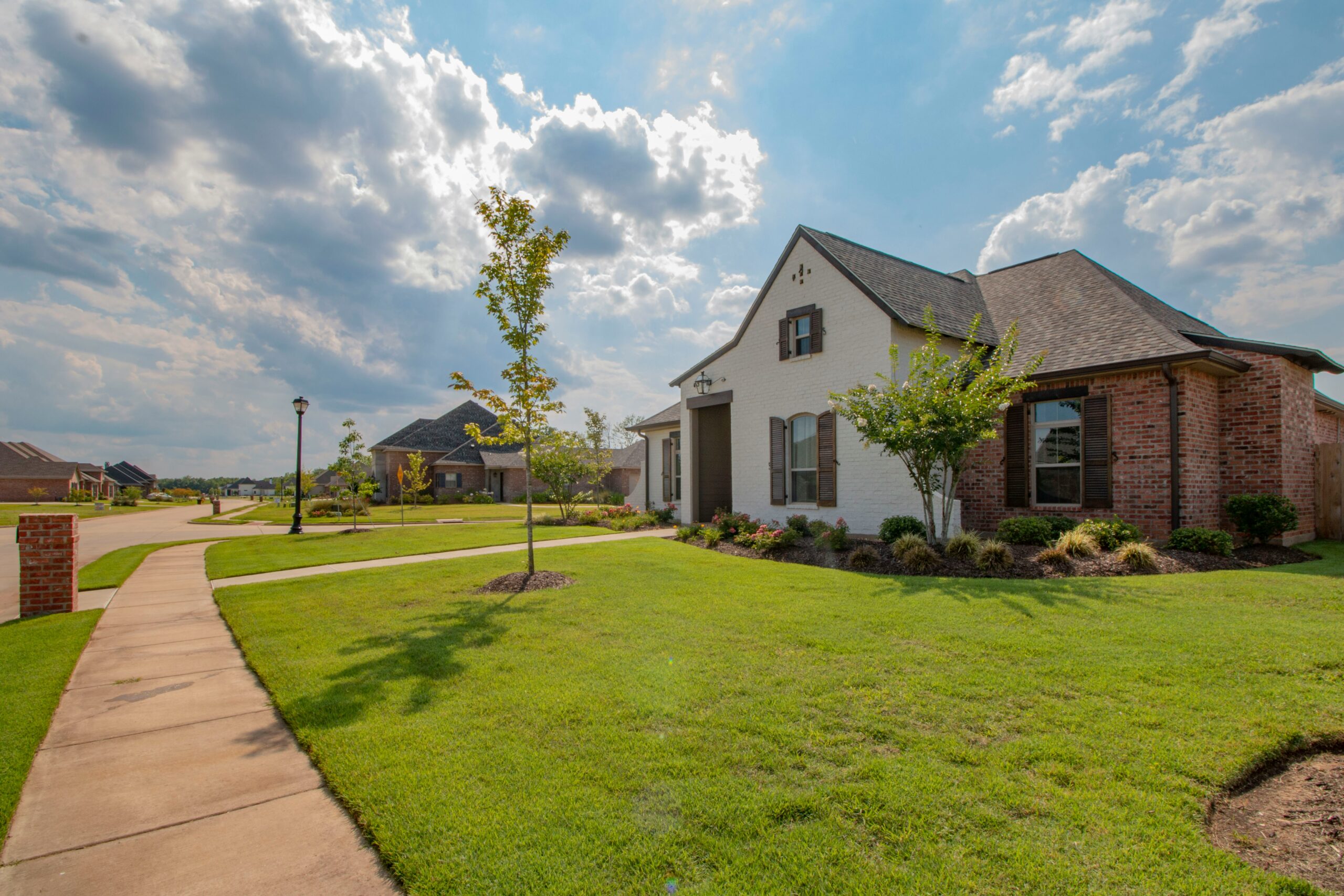
Many remote workers are moving from urban centers to suburbs. Suburban areas often offer:
- Larger homes and more space
- Lower housing costs compared to city centers
- Quieter neighborhoods and family-friendly environments
- Access to outdoor amenities and parks
This migration increases demand in suburban markets, driving home prices and creating new opportunities for investors.
Smaller Cities and Rural Areas
Remote work has also enabled some people to move to smaller cities or rural areas. These locations may provide:
- Affordable housing options
- Slower-paced lifestyles
- Stronger sense of community
- Opportunities to own larger properties or land
These areas, once overlooked, are seeing rising demand as technology allows people to stay connected to work and society from anywhere.
Changes in Urban Housing Demand
While some urban areas have experienced a population decrease, cities are adapting to remote work trends:
- Downsizing apartments for single or dual occupants
- Converting commercial spaces into residential units
- Offering more flexible lease options to attract residents
Cities with strong cultural amenities, entertainment options, and high-speed internet continue to draw remote workers who prioritize lifestyle over proximity to the office.
Impact on Real Estate Investment
Remote work affects both residential and commercial real estate markets:
Residential Investments
- Suburbs and smaller cities may offer higher rental demand due to increased migration
- Larger homes with dedicated office space become more desirable
- Investors may consider homes with flexibility for home offices or multi-purpose rooms
Commercial Investments
- Demand for office space may decrease, particularly for smaller companies or co-working spaces
- Some investors are repurposing commercial buildings for residential or mixed-use developments
Technology and Connectivity
Reliable internet access is now a top priority for homebuyers and renters. Areas with strong broadband infrastructure see higher demand, while regions with limited connectivity may struggle to attract remote workers.
Home features such as office space, quiet environments, and ergonomic setups also influence purchasing and rental decisions.
Long-Term Implications
- Home design trends: Expect more properties with home offices, flexible layouts, and enhanced technology integration.
- Shifting property values: Suburban and rural property values may continue rising as demand grows.
- Hybrid markets: Cities may focus on lifestyle advantages, culture, and convenience to retain residents.
Final Thoughts
Remote work is reshaping housing demand by giving people the freedom to choose homes based on lifestyle, space, and connectivity rather than commute times alone. Suburbs, smaller cities, and flexible home designs are benefiting, while urban areas adapt to new expectations.
For buyers, sellers, and investors, understanding these trends is crucial for making informed decisions in today’s evolving housing market.

